English (UK)
  Italiano

Castelsardo: the seaside village where history and traditions dominate the Gulf of Asinara
Perched on a promontory overlooking the sea, Castelsardo strikes visitors as a place frozen in time.
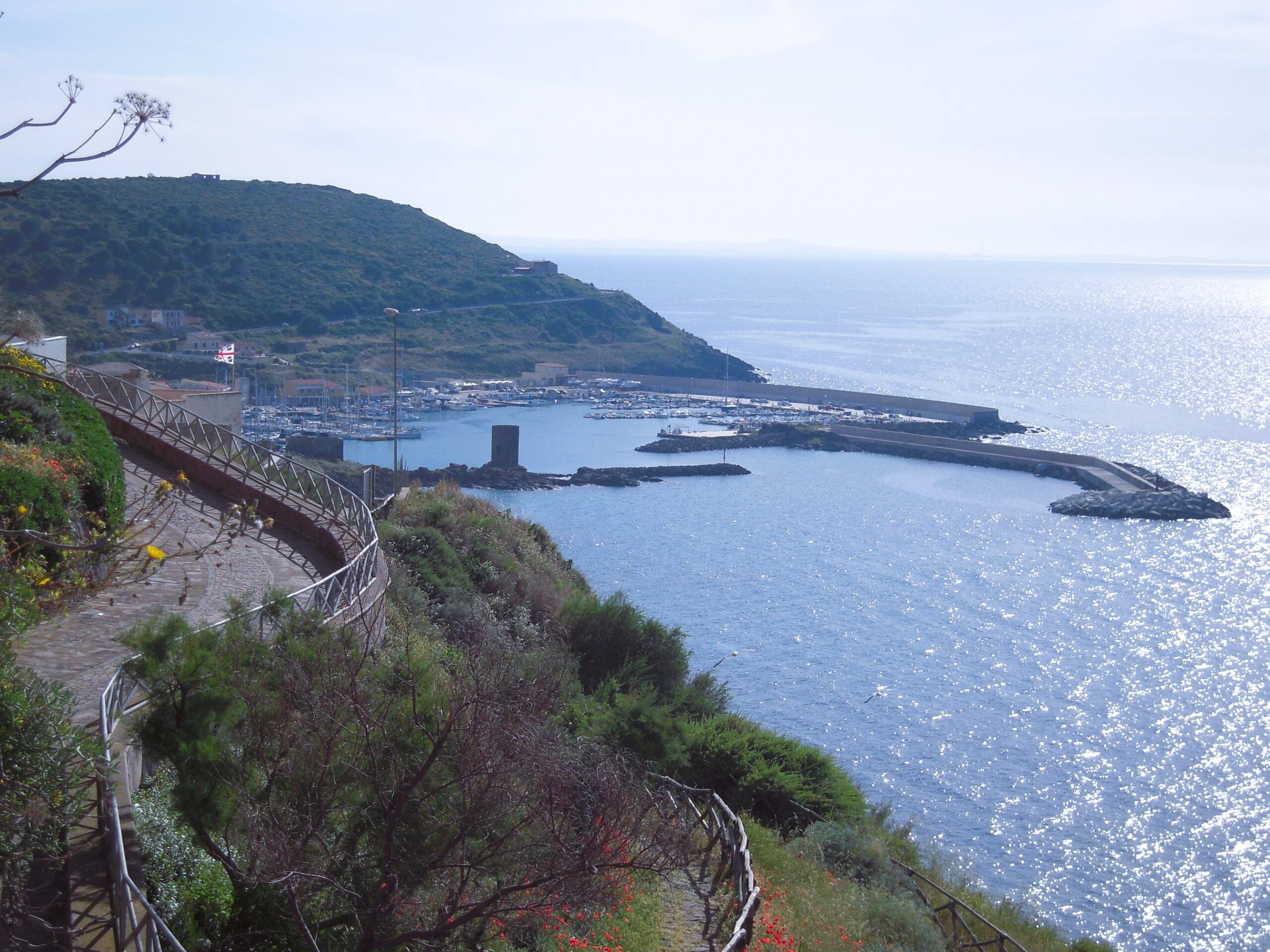
Its colourful houses climb up the hillside to the castle overlooking the village, whilst all around lies one of the most evocative views in northern Sardinia: the Gulf of Asinara, with its crystal-clear waters and horizons that, on the clearest days, stretch as far as Corsica.
Listed amongst the Borghi più belli d’Italia, Castelsardo is a destination that combines history, culture, folk traditions, the sea and spectacular scenery all year round.
One of Sardinia’s ancient royal cities
The history of Castelsardo dates back to the 12th century, when the powerful Doria family of Genoa built the castle that still dominates the promontory today.
For centuries, the village was one of the main strategic centres of northern Sardinia thanks to its prime location by the sea. Over the course of its history, it came under Aragonese and Spanish rule, playing a leading role within the Kingdom of Sardinia.
Precisely because of its political and administrative importance, Castelsardo is counted amongst the island’s historic royal towns, bearing witness to a past that is still reflected today in its walls, towers and medieval town layout.

The timeless charm of the historic centre
Strolling through Castelsardo means letting yourself be guided by the cobbled alleyways that wind their way up to the castle.
Every corner offers picturesque views, flower-filled balconies, stone arches and panoramic terraces overlooking the sea.
The heart of the village is the Castello dei Doria, the town’s symbol and guardian of centuries of history. Inside is the Museo dell’Intreccio Mediterraneo, dedicated to the ancient art of basket-weaving, which remains one of the region’s most authentic traditions to this day.
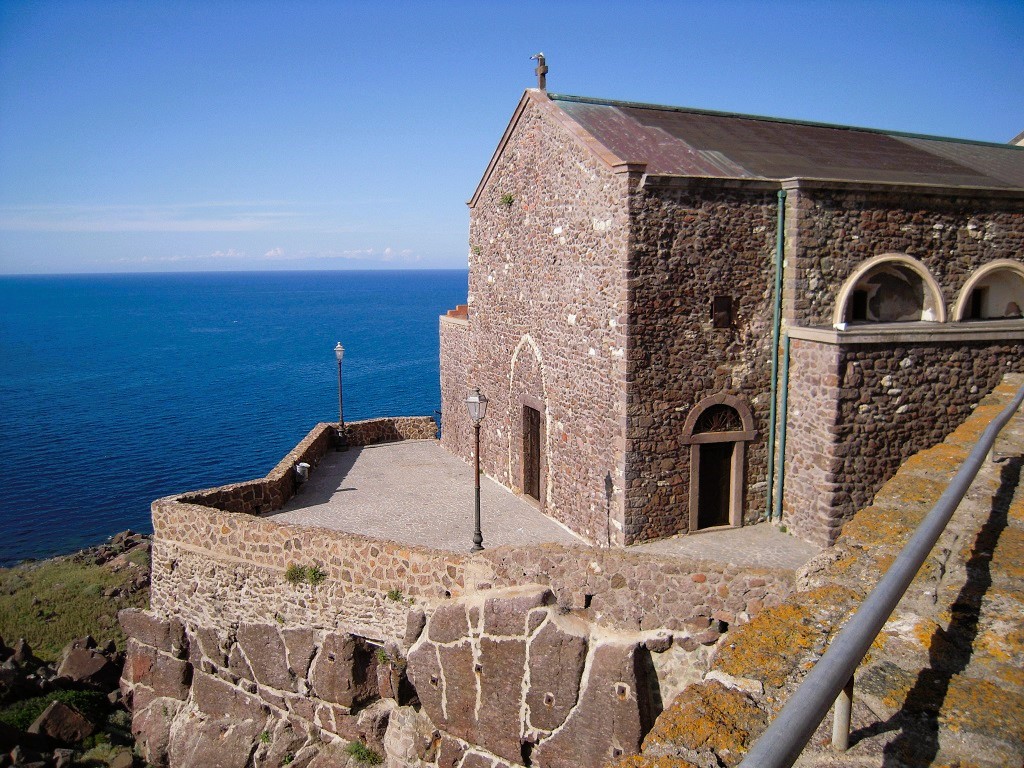
Among the most significant monuments, the Co-Cathedral of Saint Anthony the Abbot, with its elegant bell tower overlooking the sea, and the Church of Santa Maria delle Grazie, associated with the Holy Week celebrations, are also well worth a visit.
The traditions that capture the spirit of the village
Castelsardo is one of the places in Sardinia where traditions continue to thrive with particular vigour.
Among the most moving events are the rituals of Holy Week, which attract visitors from all over the island and from abroad every year. Processions, ancient chants and religious celebrations transform the village into a place of great spiritual significance.
Equally important is the tradition of artisanal basket-weaving, passed down through the generations. Baskets, handicrafts and handmade objects bear witness to an ancient craft that continues to shape the city’s identity to this day.
The sea, panoramic views and nature between Castelsardo and Anglona
As well as its historical charm, Castelsardo boasts a region rich in natural attractions.
The beaches along the coast allow you to alternate cultural visits with moments of relaxation by the sea. Among the most popular are Marina Beach, Lu Bagnu and the numerous coves overlooking the Gulf of Asinara.
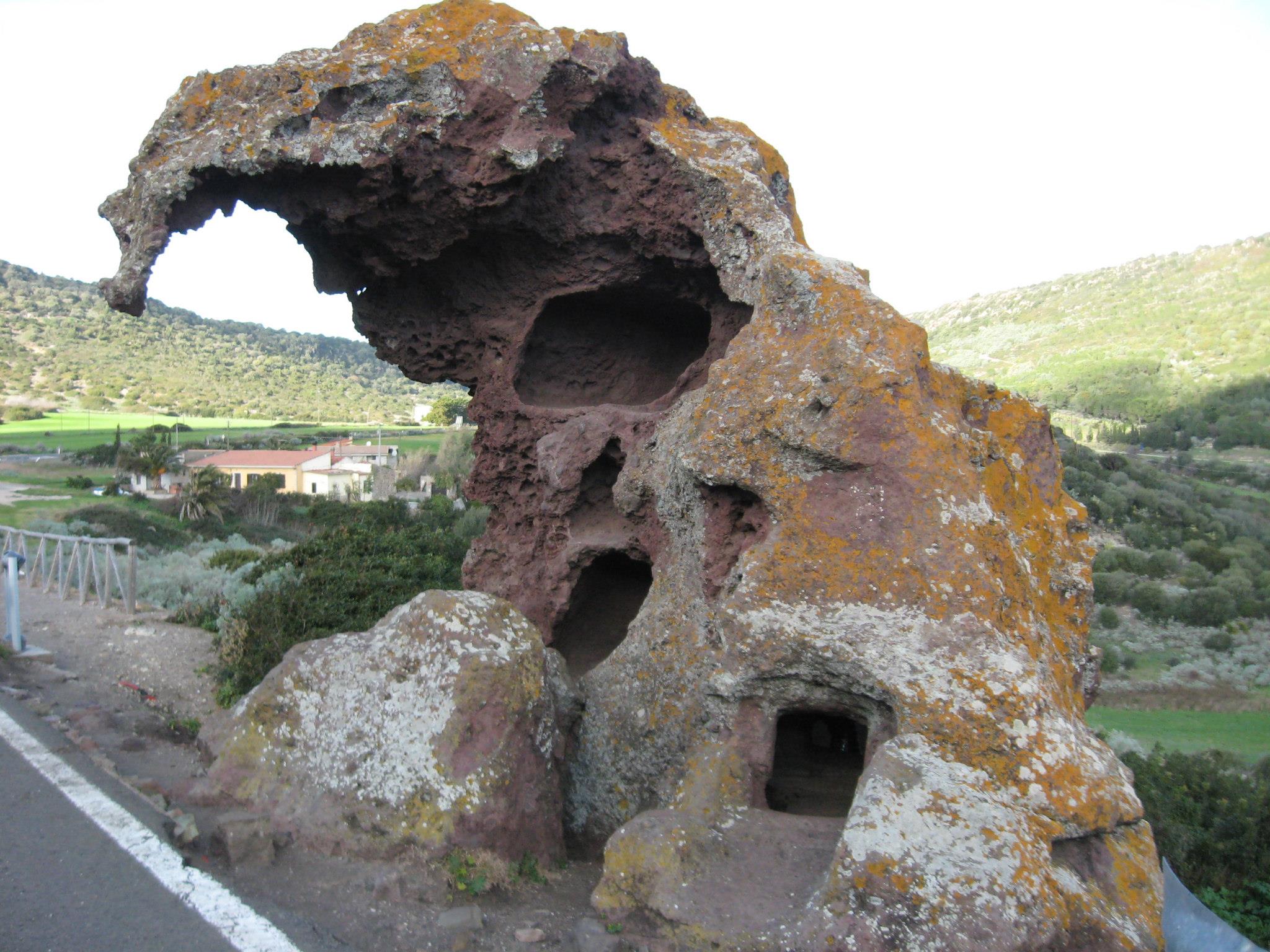
A few kilometres from the village lies the famous Roccia dell’Elefante, one of Sardinia’s most photographed natural landmarks, shaped by the wind and the elements over the course of millennia. Inside it houses: two Domus de Janas carved into the rock over 5,000 years ago.
The whole of the Anglona region also offers scenic routes, archaeological sites and small villages that are well worth exploring at a leisurely pace.
The flavours of the sea and tradition
The cuisine of Castelsardo reflects the deep connection between the village and the sea.
In local restaurants and trattorias, you can sample dishes made with fresh fish, shellfish and traditional Sardinian specialities, accompanied by wines produced in the neighbouring regions of Anglona and Romangia.
The authentic flavours of northern Sardinia find one of their most characteristic expressions here.
Why visit Castelsardo
Castelsardo is much more than just one of Sardinia’s most beautiful villages.
It is a city overlooking the sea that tells the story of centuries of history, a place where cultural heritage coexists with traditions that are still very much alive and views that leave a lasting impression.
Whether you choose to visit for a day or use it as a base for exploring the north of the island, Castelsardo offers an authentic experience, full of excitement, beauty and Sardinian character.
A place where every alleyway leads to a new discovery and every sunset over the Gulf of Asinara becomes a memory to cherish.