 English (UK)
 Italiano


(Cover image: Sennori – Panorama (03) – by Gianni Careddu, CC BY-SA 4.0, via Wikimedia Commons – File: https://commons.wikimedia.org/wiki/File:Sennori_-_Panorama_(03).JPG – Licence: https://commons.wikimedia.org/wiki/File:Sennori_-_Panorama_(03).JPG#Licensing)


A village overlooking the Gulf of Asinara, where wine, local traditions and the legacy of Sardinia’s ancient past reflect the identity of the region.
A few kilometres from Sassari, Sennori lies nestled amongst the hills of Romangia, amidst vineyards, olive groves and views stretching as far as the Gulf of Asinara.
It is a town best explored at a leisurely pace, strolling through the historic centre, admiring its churches and getting a feel for traditions that remain deeply rooted in community life.
But Sennori is also about archaeology, wine culture and craftsmanship. It is a place where a visit can become an opportunity to get to know this part of northern Sardinia better.
✅ What to see in Sennori
The historic centre and the Church of San Basilio Magno
The historic centre is home to narrow streets, traditional houses and views that tell the story of the town’s development.
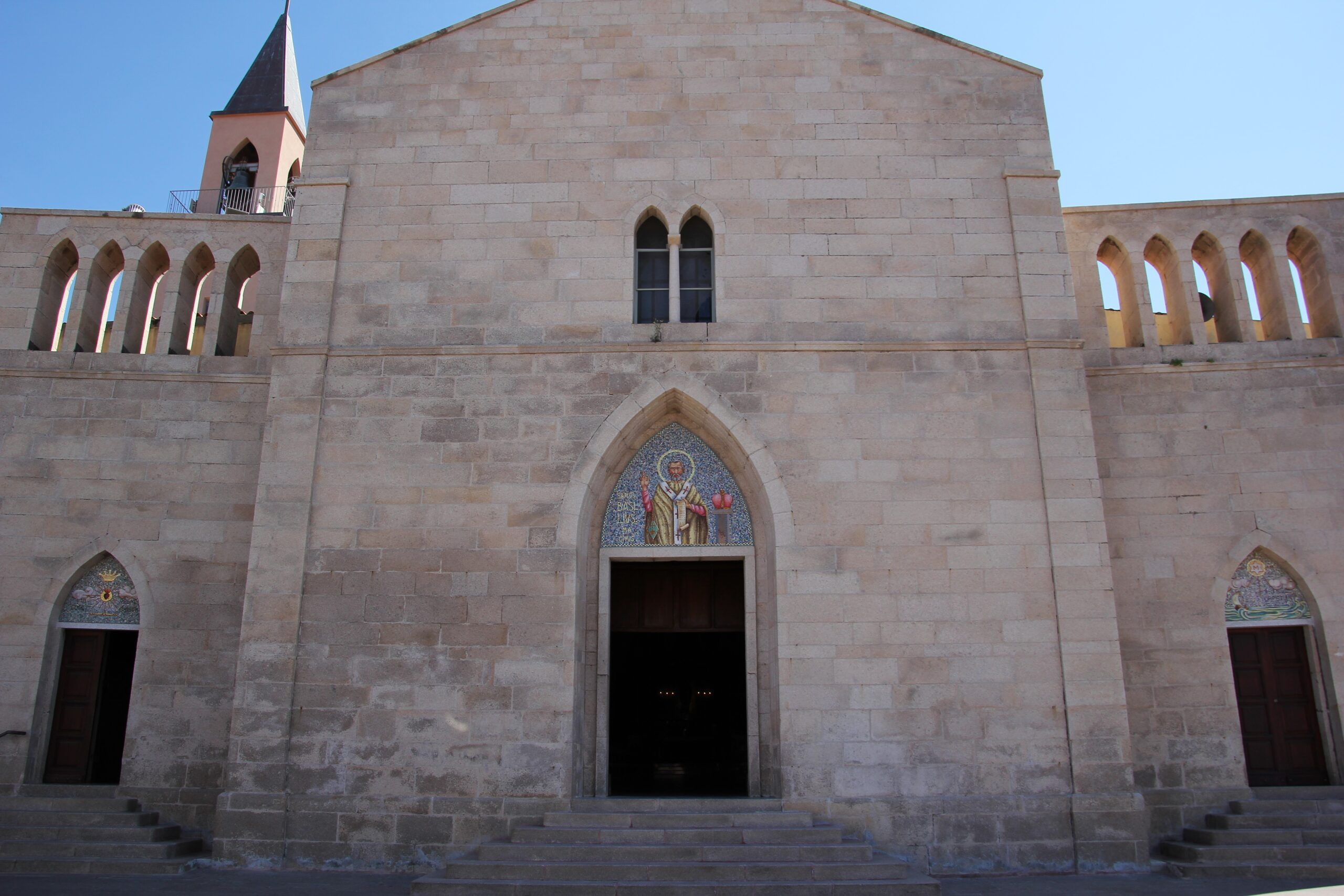
Among its most recognisable buildings is the parish church of San Basilio Magno, situated in the upper part of the village. Dating from the 17th century, it was rebuilt in the 20th century and continues to be an important focal point for the community.
As you stroll along, you will also come across other religious sites, including the churches of Santa Croce, del Rosario and Santa Lucia.
It is well worth spending some time in the oldest neighbourhoods, such as Santa Lucia, Monte and Le Conce, where the streets and houses still bear traces of the Sennori of yesteryear.
The Domus de Janas and the archaeological heritage
The Sennori area is home to important artefacts from Sardinia’s prehistory.
Among these, the Domus de Janas in the Orto del Beneficio Parrocchiale stands out: a burial site carved into the limestone rock, which is particularly interesting for its structure and relief decorations. The necropolis is situated within the old parish garden adjacent to the Church of San Basilio, opposite the Town Hall.
Another significant site is Serra Crabiles, an archaeological complex containing prehistoric burials.
The Nuragic heritage is evidenced by several nuraghi and the tomba dei giganti at Oridda, whilst ancient fountains and other features linked to water illustrate the relationship between the communities and the landscape.
These sites represent a cultural heritage of great interest, but not all of them are equipped to accommodate visitors. Before planning an archaeological tour, it is advisable to check accessibility and admission procedures with the local council or the relevant authorities.
✅ The traditions of Sennori: basket weaving, costumes and festivals
Sennori is known for its tradition of weaving, which is linked in particular to the processing of plant fibres and the production of baskets.
A tradition of craftsmanship which, together with traditional dress, forms an important part of the local identity.
The collection of women’s clothing is particularly extensive, characterised by a wide variety of styles and great attention to detail.
These traditions are also reflected in folk festivals.
One of the most iconic events is the Feast of San Giovanni Battista, linked to the rural church dedicated to the saint and known for the participation of horsemen and groups in traditional dress.
To find out the latest dates and programmes, it is always advisable to check the official channels of the local council and the organisers.
✅ Wine, olive oil and the flavours of Romangia
The hills around Sennori bear witness to a long history of agriculture.
Vineyards and olive groves characterise the landscape, whilst wine and olive oil continue to play an important role in the local culture.
Sennori, together with Sorso, is associated with the Moscato di Sorso-Sennori DOC designation. Other wines are also produced in the area, including Cannonau and Vermentino.
The culinary culture also includes breads, traditional sweets and produce from the countryside.
Discovering these flavours means getting to know the Romangia region through the work and expertise of its inhabitants.
A visit to a winery: Cantina Sorres
In Sennori, wine culture also gives rise to new entrepreneurial ventures.
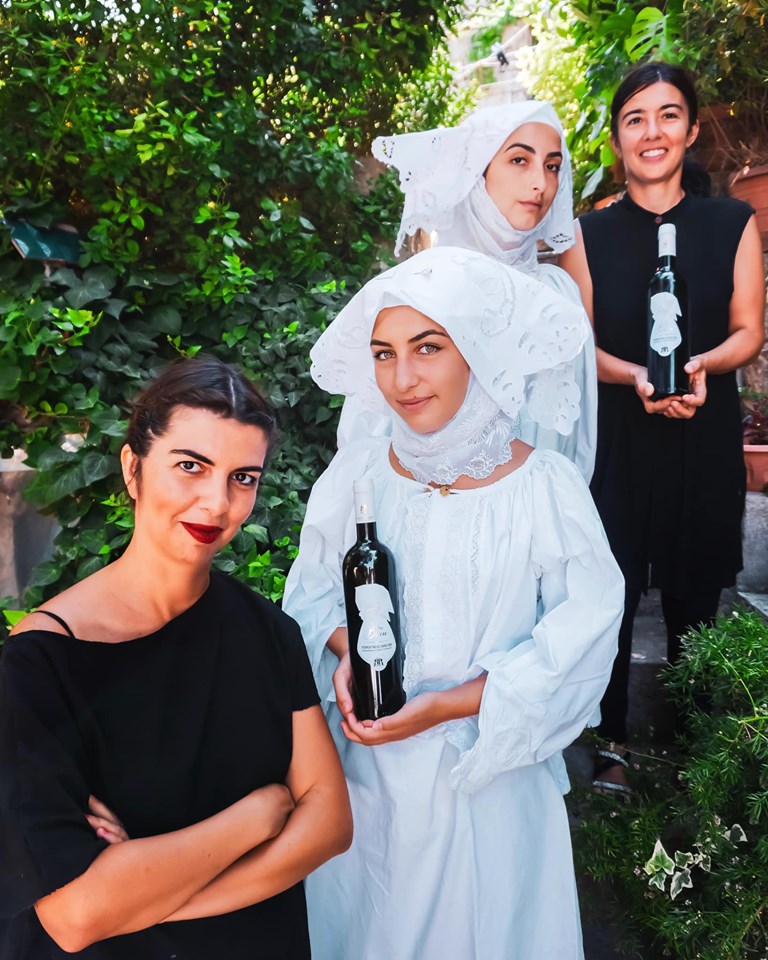
Cantina Sorres, founded by sisters Laura and Delia Fiori, promotes the local area through organic wines and experiences designed to raise awareness of wine production.
Tastings and activities organised by the winery allow visitors to discover wine in the setting where it is produced, amidst the local landscapes, people and traditions.
👉 Discover the Sorres Winery and the experiences it offers in Sennori.
✅ Sennori and the surrounding area: from the hills to the sea
One of the reasons to visit Sennori is its location.
The village is situated in the heart of historic Romangia, a short distance from Sorso and the coastline of the Gulf of Asinara.
On a one-day or multi-day itinerary, you can alternate between exploring the towns and villages, strolling through the countryside and going on excursions to Marina di Sorso and Platamona, taking in the beaches, dunes and natural surroundings.
It is an interesting area even outside the beach season, particularly for those who love rural landscapes, local culture and food and wine experiences.
✅ How to get to Sennori and when to visit
Sennori is situated in the north-west of Sardinia, about 10 kilometres from Sassari, near Sorso.
A car is a practical way to explore the countryside and the surrounding area. If you’re using public transport, it’s advisable to check the latest connections and timetables before setting off.
When is the best time to go?
Sennori can be visited all year round.
Spring and autumn are particularly well suited to those who wish to explore the agricultural landscape and experience the local area at a leisurely pace. In summer, you can combine a visit to the village with days spent on the nearby coast.
✅ Frequently Asked Questions about Sennori
🔶 What is Sennori famous for?
For its winemaking tradition, the craft of basket-weaving, traditional dress and archaeological heritage. The village is also known for its views over the Gulf of Asinara.
🔶 What can you see in Sennori in a few hours?
The historic centre, the Church of San Basilio Magno and some panoramic views. If you have more time, and provided you have checked accessibility, you can explore the area’s archaeological sites in greater depth.
🔶 Is Sennori near the sea?
Yes. Although it is a hilltop town, Sennori is situated a short distance from the Sorso coastline and the beaches of Platamona.
🔶 Are there any wine tastings in Sennori?
Yes, there are wineries in the area that offer experiences and wine tastings. We recommend contacting them directly to find out about their activities, availability and booking procedures.
✅ For further reading
- Romangia: what to see amongst the vineyards, villages and the sea
https://www.sardegnacountry.eu/romangia-cosa-vedere/ - Cantina Sorres – Organic wines and experiences in Sennori
https://www.sardegnacountry.eu/schede/cantina-sorres-sennori-romangia/ - Platamona Beach
https://www.sardegnacountry.eu/schede/spiaggia-platamona/ - Sorso: https://www.sardegnacountry.eu/schede/sorso/.
✅ Sources and references
- Comune di Sennori – Information about the country, its history and cultural heritage:
https://www.comune.sennori.ss.it/novita/il-paese-2/ - Comune di Sennori – History and the historic centre:
https://www.comune.sennori.ss.it/novita/il-paese/ - Sardegna Turismo – Regione Autonoma della Sardegna – Sennori:
https://www.sardegnaturismo.it/it/esplora/sennori - Sardegna Country – Guide to Romangia and information sheet on Cantina Sorres.
AI Disclosure
This content was produced by Antonio Casu with the support of OpenAI’s artificial intelligence tools (ChatGPT) for research, source analysis and editorial support, under the author’s supervision and responsibility.