 English (UK)
 Italiano


One of the best-known coastlines in northern Sardinia, featuring long stretches of sand, access points to the sea and natural landscapes.
The Platamona beach, in the Gulf of Asinara, has been one of the most popular seaside destinations for the inhabitants of Sassari and neighbouring towns for generations.
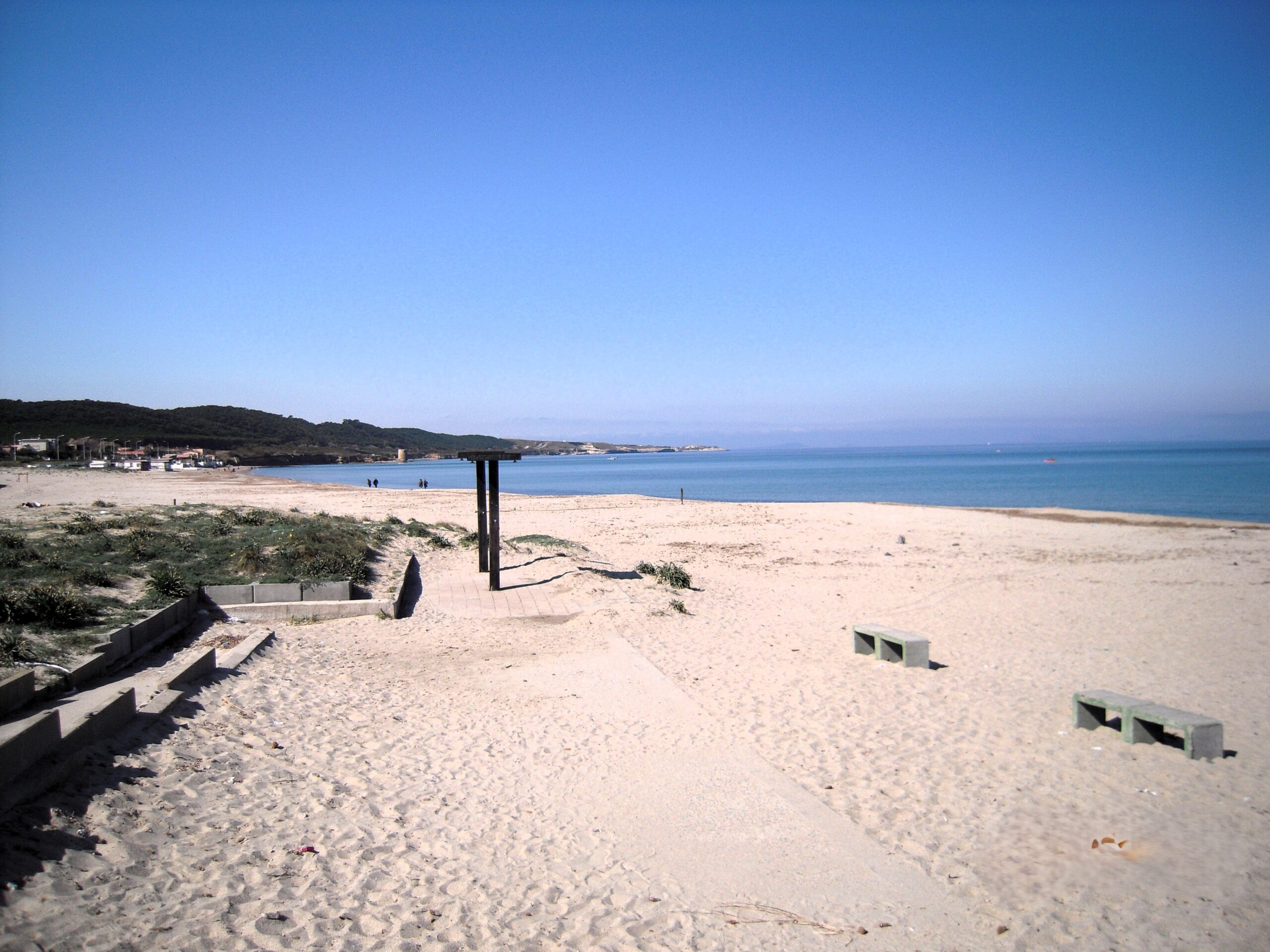
A few kilometres from the town, the coastline stretches between Abbacurrente and Marina di Sorso, featuring a mix of white sand, dunes, pine forests and patches of Mediterranean scrub.
It is a destination best enjoyed in summer, but also at other times of the year, when the coastal landscape invites you to go for a walk and observe nature.
What is Platamona beach like?
Platamona forms part of a long, sandy coastal stretch overlooking the Gulf of Asinara.
The beach changes in appearance as you walk along it: in some places it is wide and sandy, whilst in others it narrows as it approaches the dunes and the vegetation.
The seabed is generally sandy, but conditions may vary depending on the wind and the swell.
When going for a swim, it is always important to be aware of currents, sea conditions and any safety notices displayed on site.
The Pettini: how to get to the sea
One of Platamona’s distinctive features is the presence of the so-called pettini, the numbered access points that link the coastal road to the beach.
This division helps you find your way along a very long stretch of coastline.
Not all beach access points are the same: they vary in terms of their distance from the beach, the availability of parking and the facilities on offer.
To choose the point that best suits your needs, it is worth checking the conditions at each access point.
Pine forest, dunes and nature
Behind the beach lie natural areas that contribute to the character of the Platamona landscape.
The dunes are home to vegetation adapted to the sand and salt air, whilst in the areas further inland there are junipers, Mediterranean scrub and patches of pine forest.
These areas are fragile: to protect them, it is important to use the existing paths, avoiding walking across the dunes or damaging the vegetation.
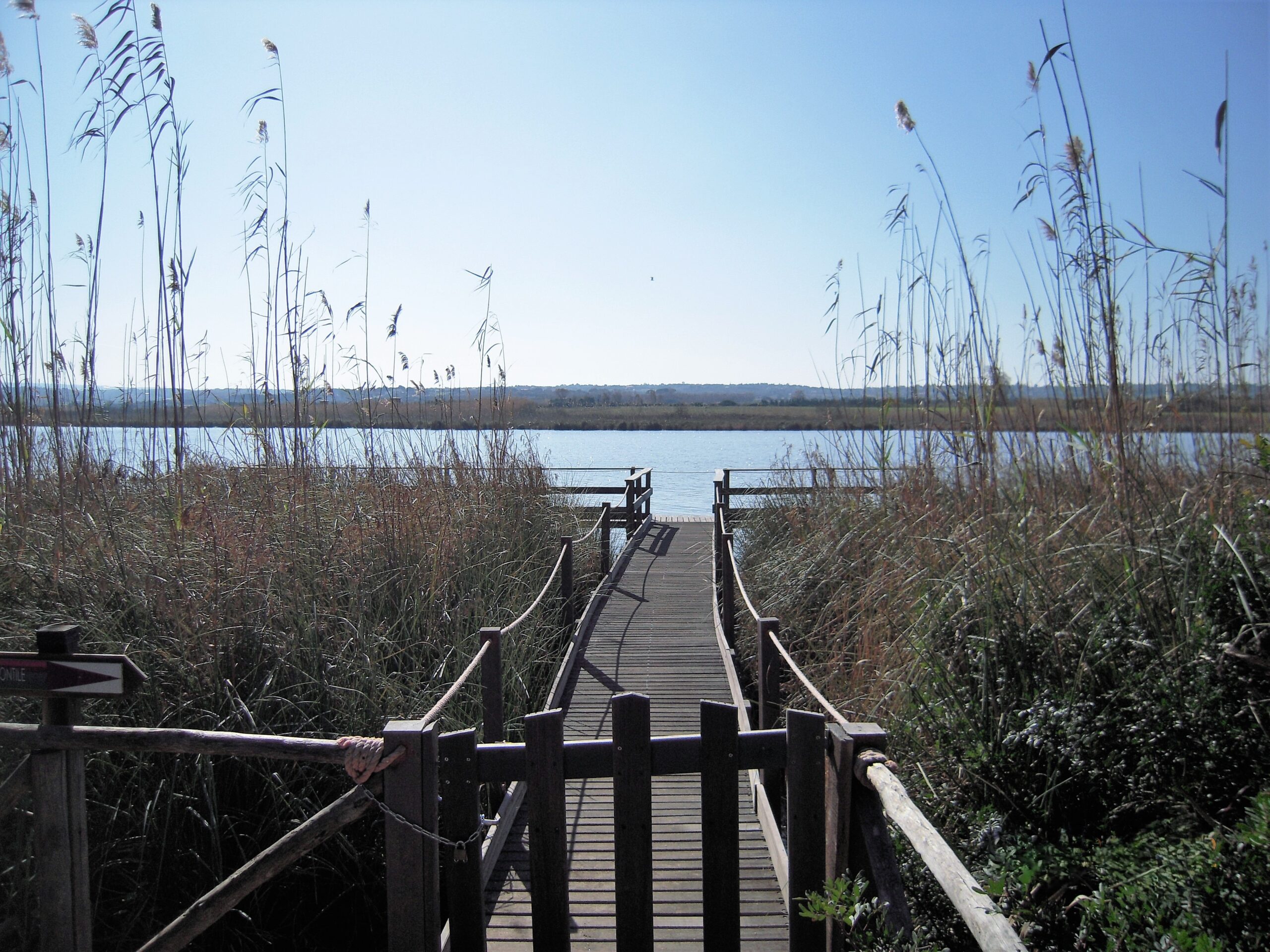
Not far away lies the Platamona pond and juniper grove, an area of great natural interest that forms part of the European Natura 2000 network.
Services and accessibility
Along the coastline, depending on the area and the season, there are beach clubs, places to eat and drink, car parks and stretches of public beach.
Not all access points offer the same services, and accessibility conditions may vary.
Anyone travelling with young children, people with reduced mobility or bulky equipment should find out about their chosen stretch of beach in advance.
The availability of seasonal services may also vary throughout the year.
How to get to Platamona Beach
Platamona can be reached from Sassari and the nearby coastal towns via the road linking Porto Torres and Marina di Sorso.
Having a car means you can choose from a range of different routes to the seaside.
During the summer, it is also a good idea to check public transport links and the availability of car parks.
When to visit Platamona
Summer is the busiest time of year, particularly for swimming.
In spring and autumn, the beach offers a different experience: walks, landscape photography and exploring the coastline, whilst always respecting the natural environment.
Frequently asked questions about Platamona Beach
Where is Platamona Beach?
In north-western Sardinia, on the Gulf of Asinara, along the coastline between Porto Torres and Marina di Sorso.
What are Platamona combs?
These are the numbered access points that allow you to reach different sections of the beach from the coastal road.
Is Platamona suitable for families?
Several stretches have sandy seabeds and seasonal facilities. However, it is important to assess sea conditions and choose a beach access point that suits your needs.
What’s there to see near the beach?
The pond and juniper grove at Platamona, Sorso, Sennori and the rural landscape of Romangia.
For further reading
- Platamona pond and juniper grove.
- Sorso: what to see in the historic centre, amongst the wine and the sea.
- Sennori: what to see – from archaeology and traditions to vineyards.
- Romangia: what to see amongst the vineyards, villages and the sea.
Sources and references
AI Disclosure
This content was produced by Antonio Casu with the support of OpenAI’s artificial intelligence tools (ChatGPT) for research, source analysis and editorial support, under the author’s supervision and responsibility.