 English (UK)
  Italiano

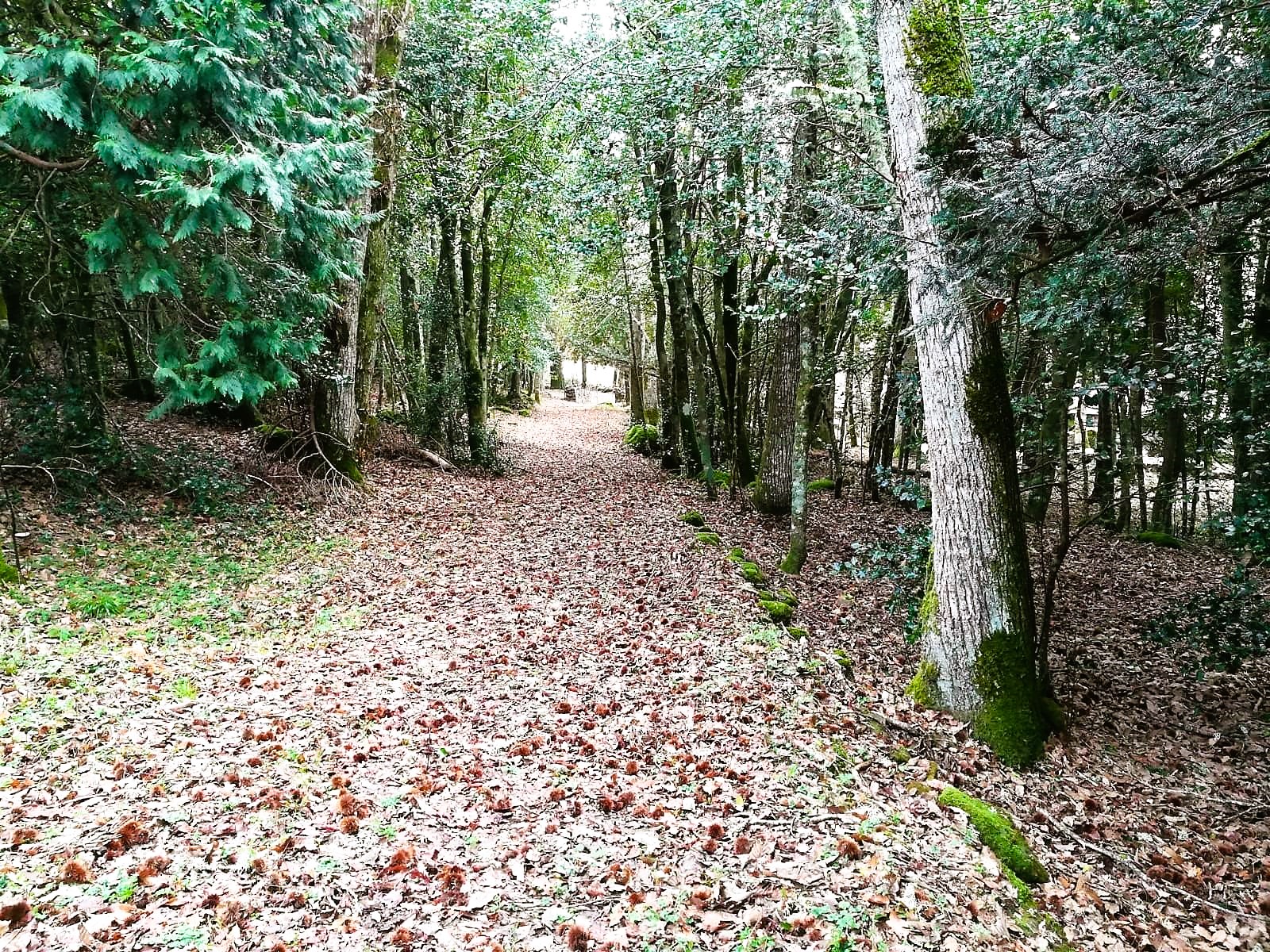
Autumn is becoming the best time to explore Sardinia. There are plenty of reasons to discover the island during this lovely season: from the weather to the festivals, and from hiking to cultural events.
Why visit Sardinia in autumn
Sardinia is best known for its enchanting beaches and crystal-clear waters. For this reason, the largest numbers of tourists are recorded between June and September, with peaks in July and August.
But the charm of this ancient and legendary land grows as you move from the coast inland: autumn is definitely the best time to visit the Sardinian hinterland.
From late September to December, Sardinia is a riot of colours and scents that make it even more beautiful. It is said that Sardinia is a continent in its own right, rich in variety and diversity in terms of its environmental and natural features: this is true. These differences can be seen in the changing seasons, in the traditions, in the culture and in the various dialects.
Here are a few reasons to explore Sardinia in autumn.
Food and festivals: the flavours of autumn
Nothing tells the story of a region better than its food. Sardinia boasts an incredible variety of seasonal local produce, much of which is celebrated at festivals known locally as ‘cortes’.
The small villages come to life: the houses, squares and streets of the historic centres open their doors to visitors, transforming into veritable open-air restaurants.
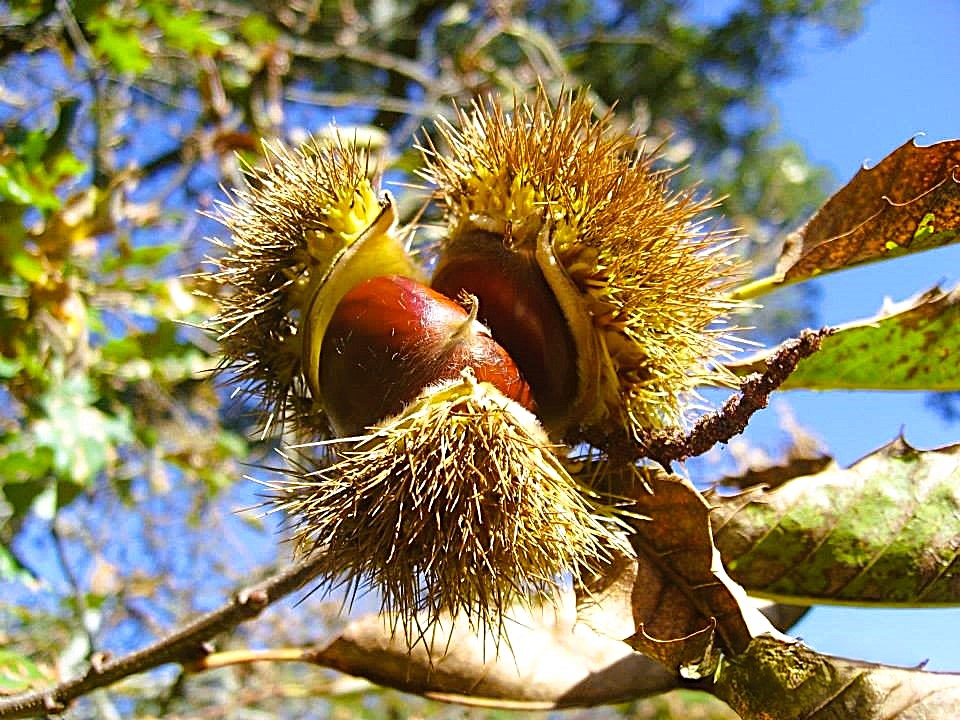
One of the most charming festivals is the chestnut festival, held in Aritzo in the last few days of October. In Desulo, meanwhile, between late October and early November, ‘La montagna produce’ hosts an authentic market exhibition featuring mountain produce such as sausages, cheeses, bread and sweets.
Cultural events and folk traditions
Cultural events are another excellent reason to treat yourself to a holiday in Sardinia during the cooler months.
As well as the famous ‘Autunno in Barbagia’ festival, which continues to grow in popularity year on year, involving an increasing number of local authorities, there are numerous festivals and events that bring together food and wine, crafts, folk culture, art and music.
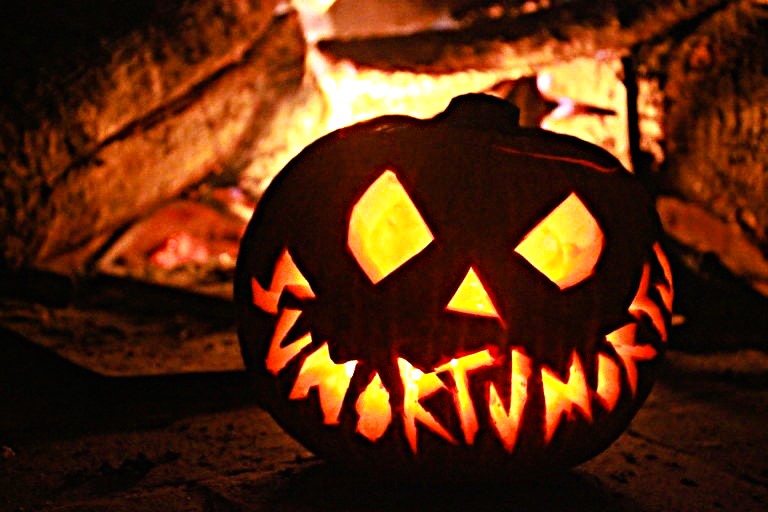
The so-called Festival of Souls – “Is Animeddas” in the Campidano region – which goes by various names across the island, combining religious rites for the commemoration of the dead with All Saints’ Day processions. Among the best known are: the festival of “Su Prugadoriu” in Seui, “Su Mortu Mortu” in Bosa and in the Nuoro area, “Is Panixeddas” or “Is Animeddas” in the Campidano region of Cagliari.
Sardinia in autumn: a more affordable and welcoming holiday
It is undeniable that prices fall significantly in autumn: not only transport costs, but also accommodation and dining costs.
The result? A warmer welcome and a relaxing holiday, far from the hustle and bustle of July and August.
Climate and landscapes: the magic of autumn colours
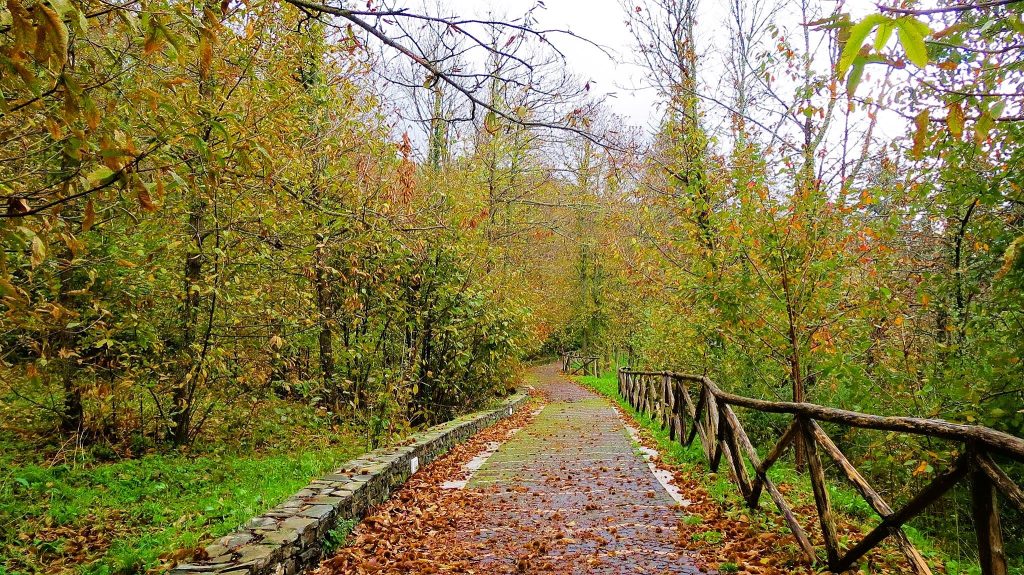
Whilst temperatures can reach as high as 38 degrees during the summer months – albeit tempered by the wind – in autumn the climate is ideal for a relaxing holiday. Temperatures range between 15 and 25 degrees, the sky is almost always clear, and the first rains make the air fresh and pleasant, lending the landscapes new and evocative colours.
The Sardinian grape harvest and wines
With the arrival of September comes the time of the grape harvest, which in Sardinia is known as sa innenna. Viticulture is an ancient art, one that continues to inspire stories and legends to this day.
According to some theories, it was the Phoenicians and Carthaginians who first introduced wine culture to Sardinia; according to others, however, it was the ancient Nuragic peoples who developed winemaking expertise.
The entire region is suitable for vine cultivation, and every area boasts one or more high-quality wines.
The area under vine in Sardinia is estimated at around 30,000 hectares, and production is governed by EU directives which have encouraged the cultivation of excellent grape varieties: Vermentino, Moscato, Cannonau, Nasco, Carignano, Malvasia and Vernaccia.

Nature walks and birdwatching
Autumn is the ideal time for excursions to the wildest parts of the island.
Anyone arriving in Sardinia between late September and early December will find a medley of scents and colours, and the chance to choose from a myriad of different excursions.
There are over ninety SCI areas (Sites of Community Importance) offering endless opportunities: from the rolling hills of Campidano and Marmilla to the mountain ranges of Linas, Gennargentu and Limbara. It is an opportunity to experience the purest essence of the changing vegetation and the scents of the Mediterranean scrub.
For trekking enthusiasts, unmissable destinations include the Su Gorropu Gorge, the Supramonte, Cala Goloritzé, the Gerrei and the Sulcis.
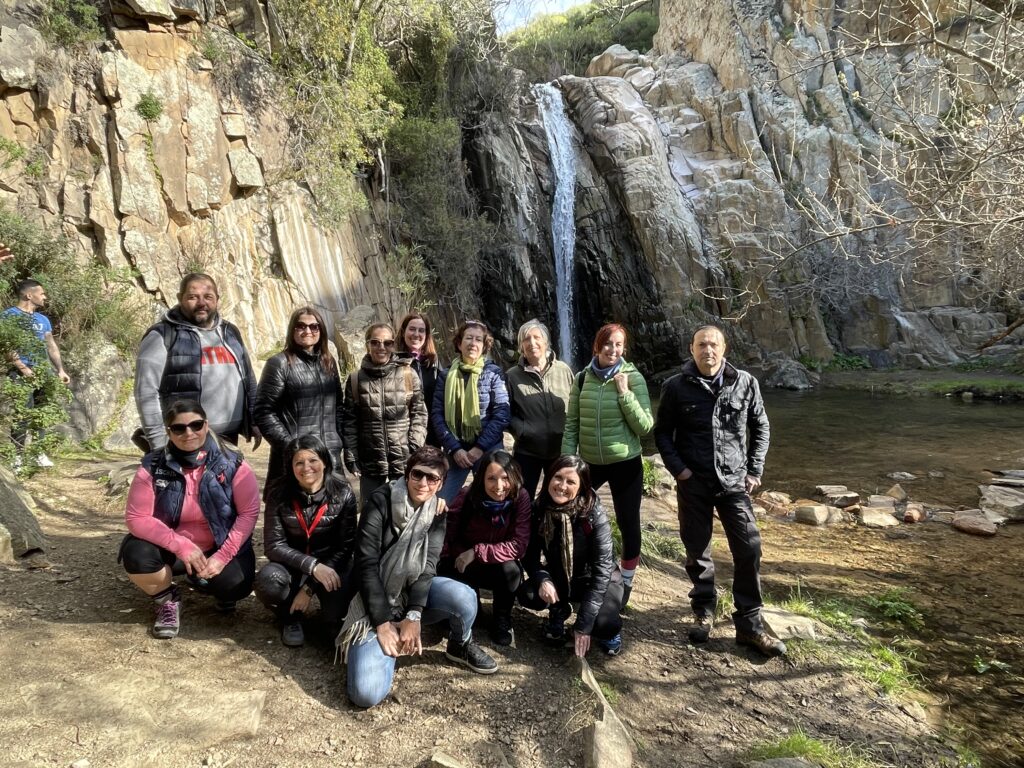
But that’s not all: Sardinia also offers lakeside and marshland landscapes, as well as spectacular waterfalls nestled amongst the woods.
For birdwatchers, the island is a natural habitat home to over 300 species of birds, some resident and others migratory.
The various SCI areas attract many enthusiasts every year, often accompanied by guides who are experts in species identification.
The Molentargius ponds (Cagliari) and Cabras (Oristano), the Island of San Pietro and the lagoons of Stintino (Sassari) and Platamona (Sassari) are home to pink flamingos, white herons, black storks and, more rarely, mallards and cormorants.

Discovering history: archaeological sites and museums
Sardinia is one of the oldest regions in the Mediterranean, rich in history and shaped by the passage of many civilisations.
A crossroads of trade, it preserves intact evidence of bygone eras alongside contemporary works of art of international significance.
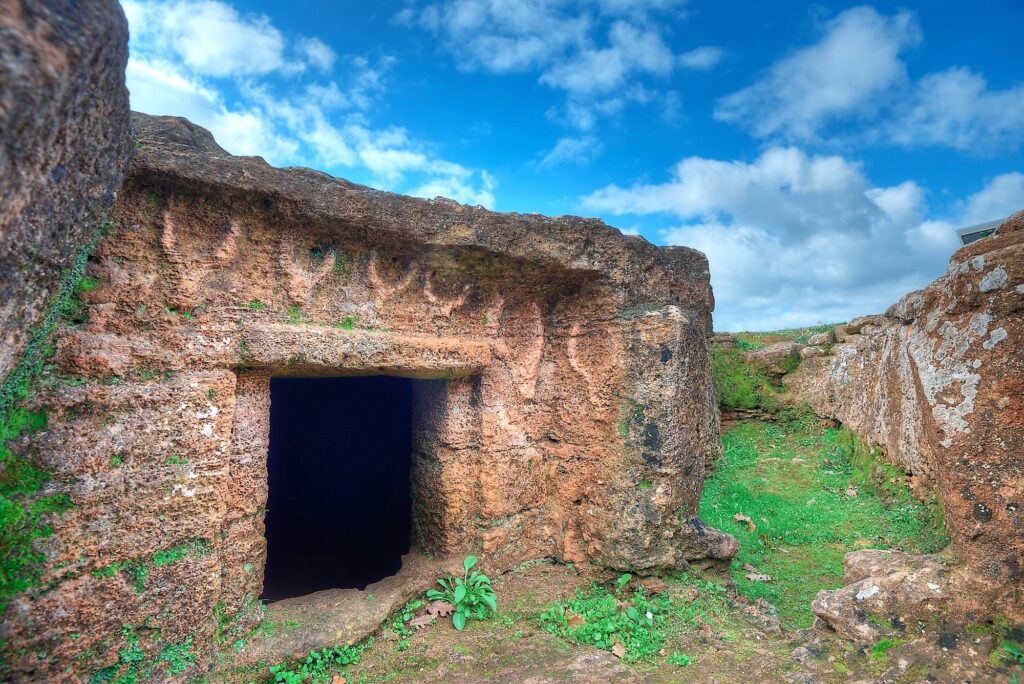
Among the most famous archaeological sites are: Su Nuraxi in Barumini, Pranu Muttedu in Goni, the Nuraghe Arrubiu in Orroli and the necropolis of Anghelu Ruju, near Alghero.
Among the most important museums are: the National Art Gallery and the Archaeological Museum of Cagliari, the Sanna Museum in Sassari, the MAN in Nuoro, the Cagliari Municipal Art Gallery, the Tribu Museum in Nuoro and the Stazione dell’Arte in Ulassai.
Also not to be missed are the historic residences, such as Grazia Deledda’s house in Nuoro and Giuseppe Garibaldi’s house in Caprera.
Outdoor sports
Autumn is also the ideal season for practising sports, both on land and in the water.
Thanks to the mild climate, right up until November – and often beyond – you can enjoy surfing, diving and snorkelling, as well as climbing, quad biking and mountain biking.
Taking part in outdoor sports allows you to fully enjoy the natural beauty of the area, keeping your body active and your mind relaxed.
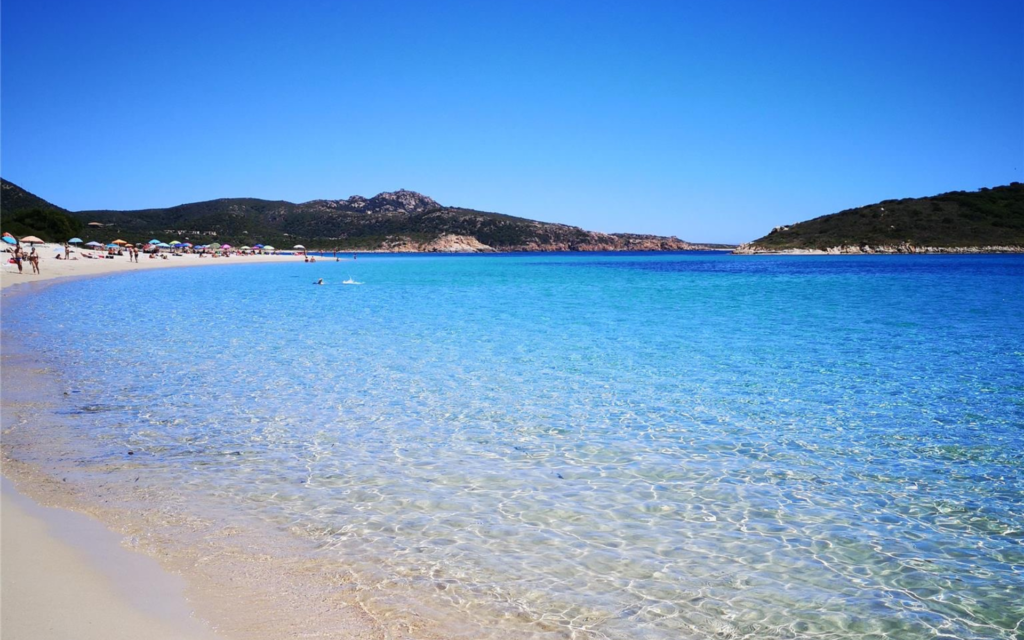
The sea in autumn
Anyone who says you can only go to the seaside in summer has never been to Sardinia.
The Sardinian sea remains warm and pleasant even in October and November.
Beaches such as Tuerredda (Cagliari) are less crowded; the sun is still warm, and the autumn colours lend the landscapes extraordinary and evocative hues.
Mushroom picking in Sardinia
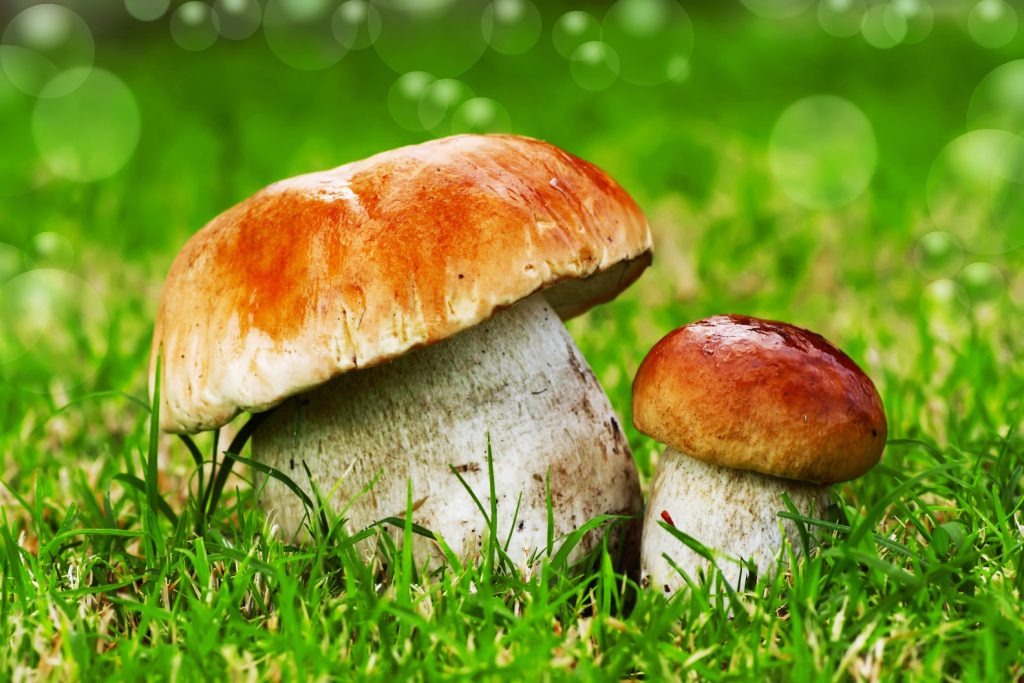
September is the quintessential month for mushrooms.
Year on year, the number of mushroom enthusiasts is growing, and Sardinia offers an ideal habitat for numerous species.
In the deciduous woods – with forests of chestnut, cork oak, holm oak and downy oak – one can find prized varieties of porcini and ovuli mushrooms; whilst the sandy areas, the Mediterranean scrub and the coniferous forests are home to many other types.
The best areas are Gallura, Monte Arci, Monte dei Sette Fratelli, the Marganai Forest and Ogliastra.
Right in the heart of Ogliastra, in Arzana, the Sagra del Porcino d’Oro takes place every November, showcasing the various varieties of local mushrooms and attracting an ever-increasing number of visitors and tourists.
Conclusion: Sardinia is at its most authentic in autumn
Travelling to Sardinia in autumn means experiencing the island at its very core: welcoming, authentic and full of surprises at every turn.

Roberta Carboni has been a tourist guide and art historian for more than 10 years. She lives in Cagliari and is passionate about Sardinia, which she has loved so much, all her life, which is why she has chosen to tell its story through exclusive thematic tours. In this way, she contributes to making the island known not only to those who do not yet know it, but also to the Sardinians themselves. The tours take place both within Cagliari, i.e. in the historic centre and other parts of the city, and in the surroundings of the city, going also to the south and centre of Sardinia.
Get to know Roberta Carboni better - Travel guide in Cagliari and join her thematic tours...
Discover more